


Start With the System
Before focusing on artwork, ask:
Is this deck based on Rider-Waite-Smith, Marseille, Thoth, or a hybrid system?
Most beginner-friendly decks follow RWS structure because:
Minor Arcana are illustrated
Symbolism is accessible
Guidebooks assume RWS correspondences
If you are new to tarot, choosing an RWS-based deck often reduces confusion.
Artwork and Emotional Resonance
Tarot is visual.
If you do not emotionally connect with the imagery, interpretation becomes mechanical.
Ask:
Do I see myself reflected in this artwork?
Does the imagery feel welcoming or distant?
Is the symbolism clear or abstract?
A deck that feels visually aligned will naturally invite deeper engagement.
Clarity vs Complexity
Some decks are minimalist. Others are layered with occult symbolism.
Neither is superior.
If you prefer:
Clear emotional scenes → choose illustrated narrative decks.
Symbolic abstraction → consider Marseille-style decks.
Intellectual layering → explore Thoth-based decks.
Your learning style should guide your choice.
When to Expand Your Collection
You do not need multiple decks immediately.
However, as your confidence grows, exploring different systems can:
Expand symbolic understanding
Strengthen adaptability
Deepen interpretation nuance
Collecting should enhance learning — not replace it.
Practical Application
How to work with this
Many beginners believe difficulty means they are “bad at tarot.”
Often, the issue is misalignment between reader and deck.
Choosing intentionally prevents discouragement and builds sustainable confidence.
Related Links
Card
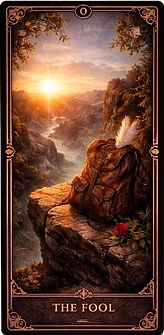
0 The Fool
Card

II The High Priestess
Suits

Cups
Suits

Wands
Spreads
